Is it damp?
Or is it a leak?
That patch on the wall is trying to tell you something. Let’s help you work out what.
Answer a few simple questions about what you’ve noticed. Understand the possible causes and find your next step.
Check my symptoms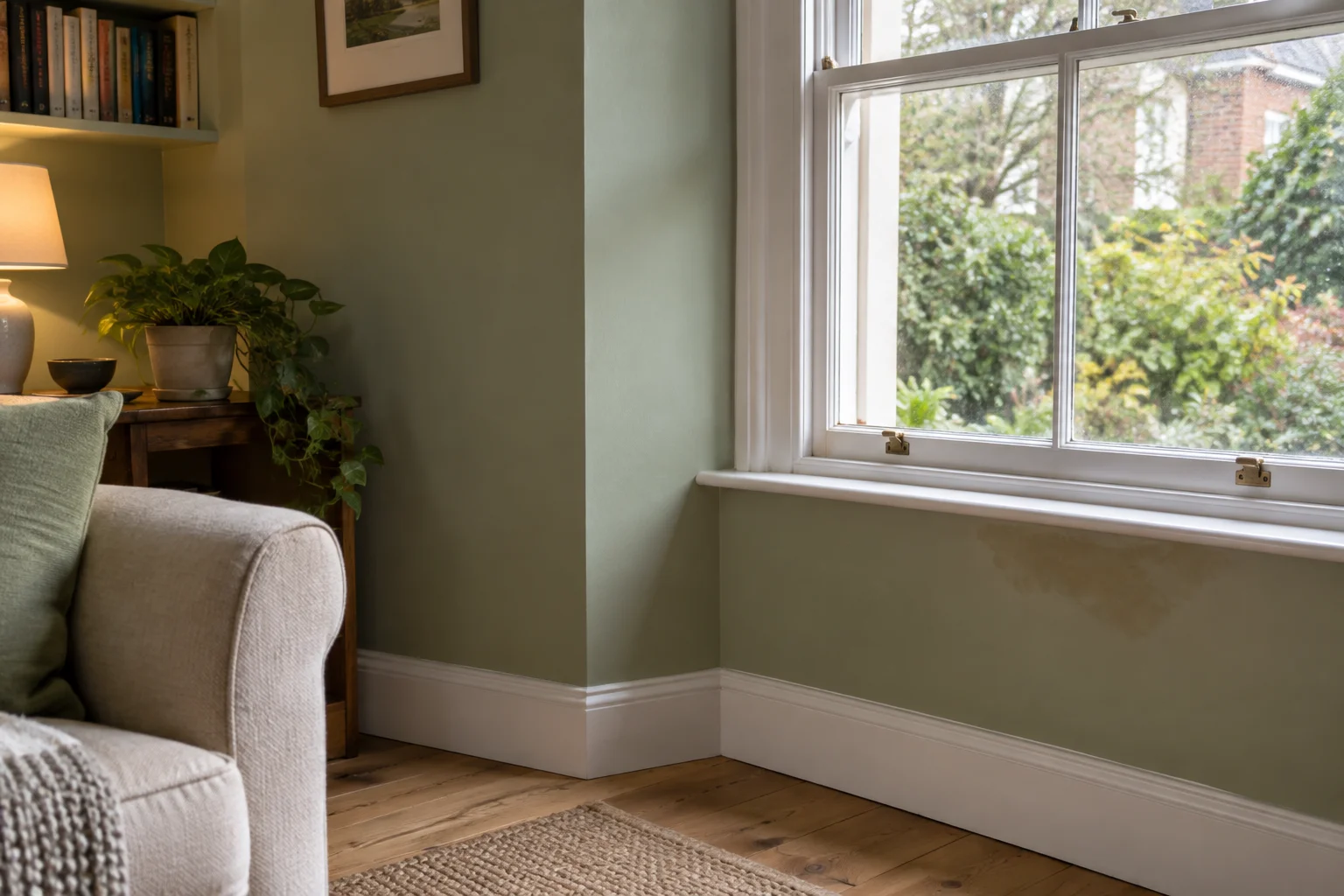
Signs of damp or a water leak
Start with the sign you can see. We’ll help you look a little closer.
A damp patch
On a wall or ceiling
Mould or condensation
On windows or cold surfaces
A wet floor
Or damp around a skirting board
Something else
A smell, water bill or pressure drop
Water near electrics or a bulging ceiling? Read the urgent advice first.
Condensation, damp
or a hidden leak?
Damp describes the moisture you see.
Finding out where it comes from is what matters.
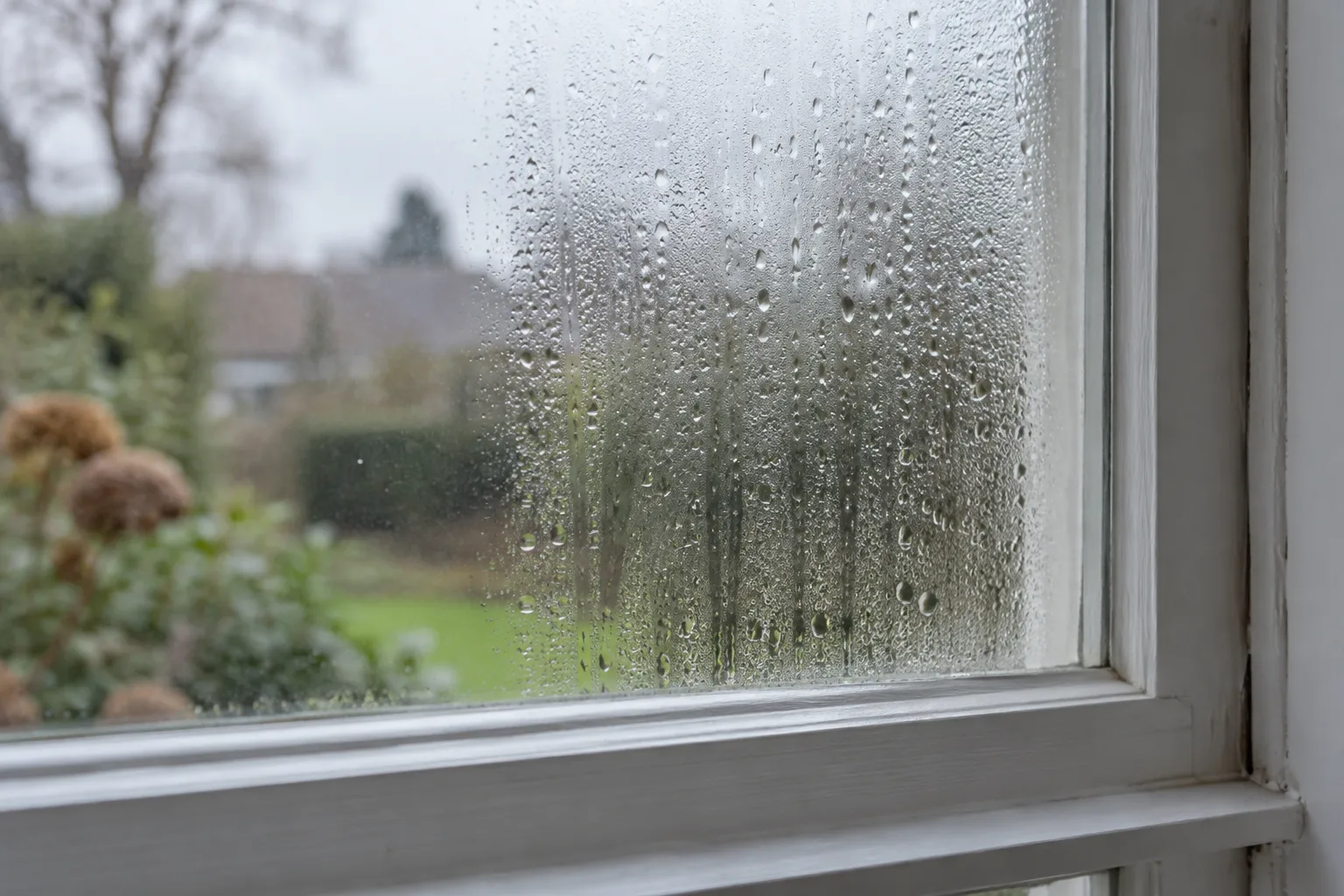 Moisture in the air
Condensation
Misty windows, cold corners and moisture that builds up after cooking or showering.
Understand condensation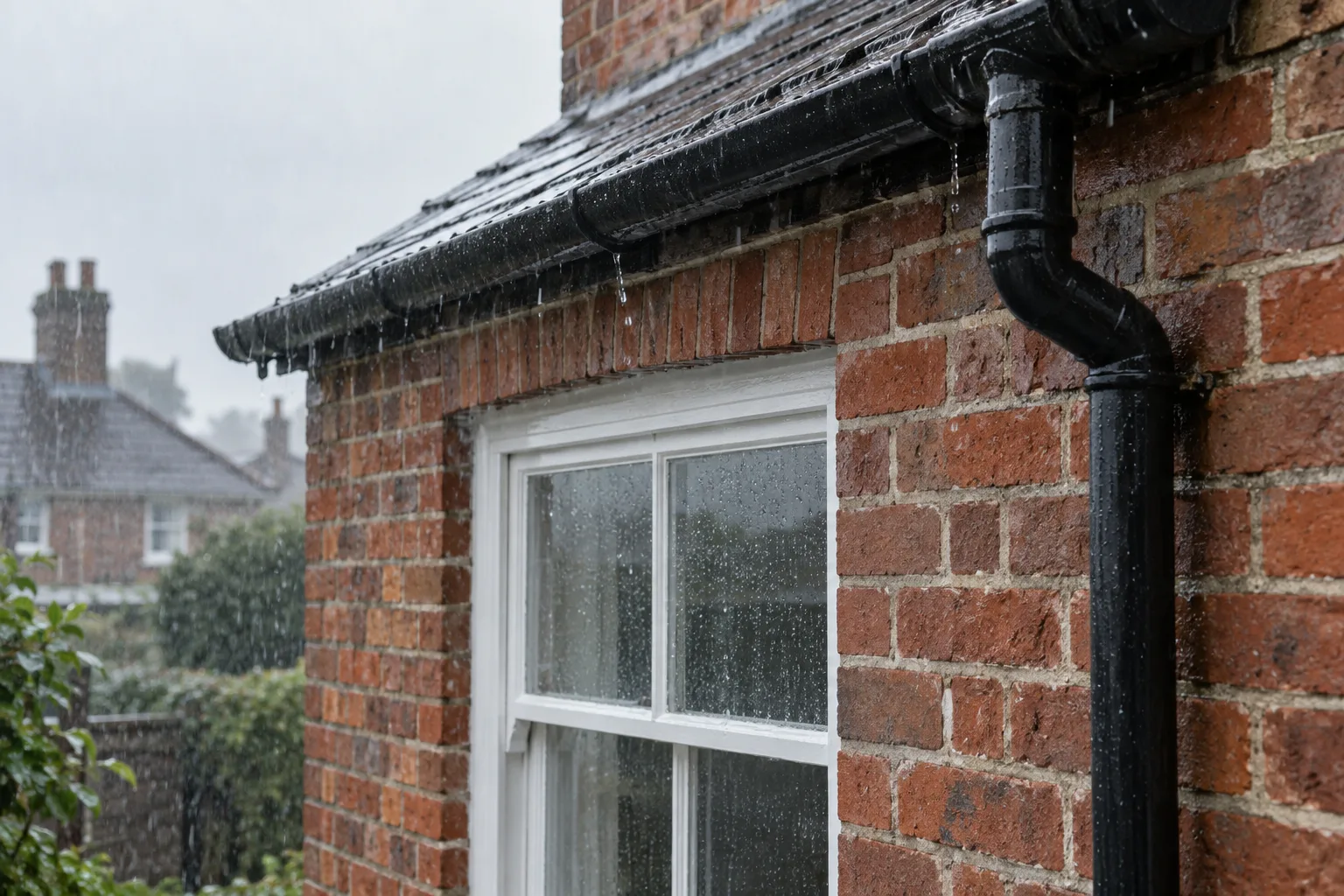 Water from outside
Rain & building damp
A patch that changes with the weather can point to water finding its way into the building.
Look for the outside clues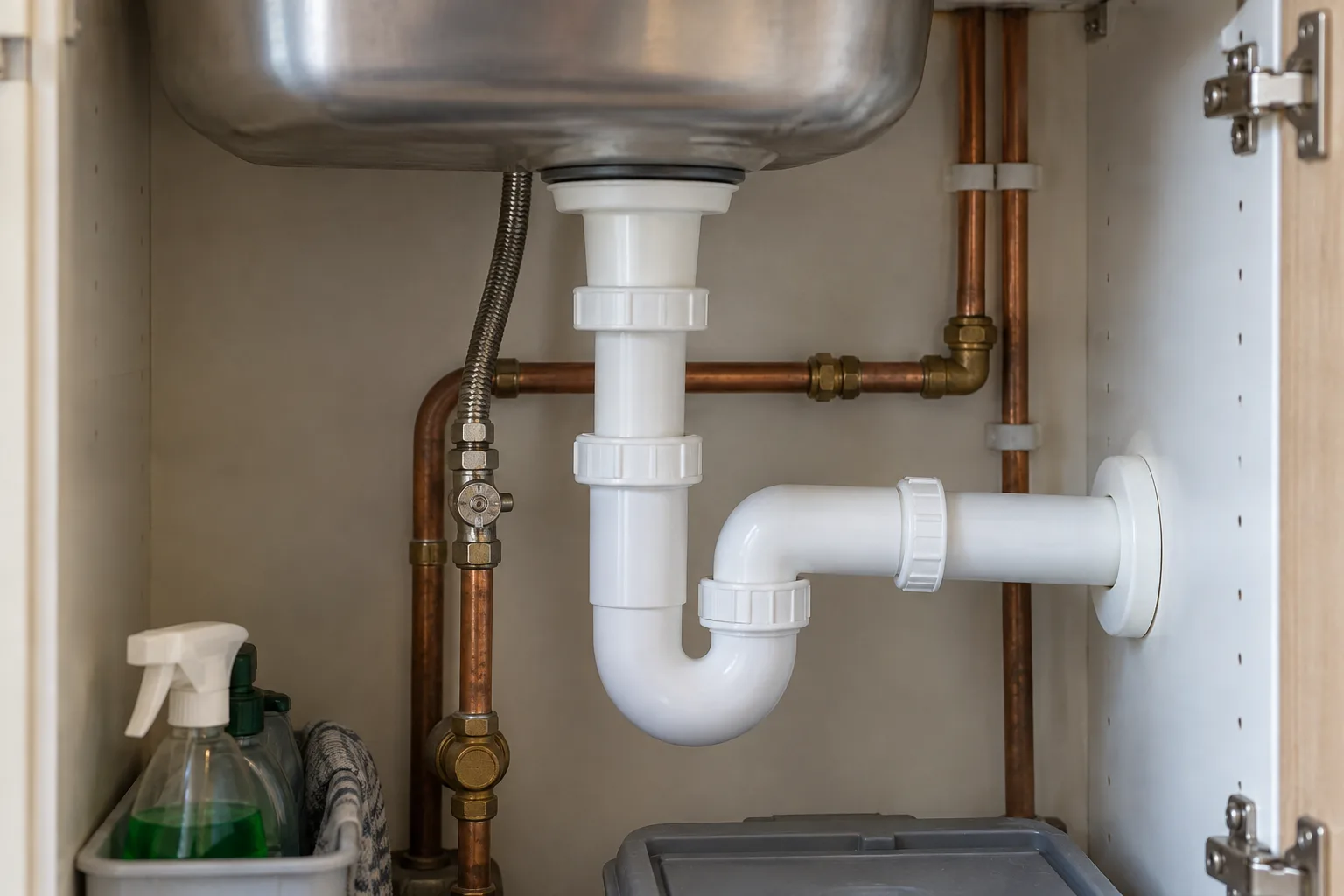 Water from a pipe
A hidden leak
Persistent wet areas, unexplained water use or a patch that changes when plumbing is used.
Know the signs of a leakYou don’t have to
figure it out alone.
You know your home. Our checker helps you connect the things you’ve noticed, without asking you to lift floorboards or guess what’s behind a wall.
Help me work it out- 1
Tell us what you’ve noticed
A patch, a smell or something that’s changed.
- 2
Look at the pattern
Where it happens and what makes it better or worse.
- 3
Get a useful next step
Possible causes, safe checks and when to get help.
ADI Leak Detection
Think you have a leak?
Speak to the specialist engineers at ADI Leak Detection about non-invasive ways to find a hidden leak. They can explain which checks are suitable for your home.
What happens in a leak investigationYour call connects you with ADI Leak Detection.
Damp and leak
questions answered.
Start with what you can observe.
You don’t need all the answers yet.
Can a damp patch be caused by a hidden leak?
Yes. Water from a pipe can travel through floors or walls before it becomes visible. But rain getting in and condensation can also leave damp patches, so the location alone does not identify the cause.
Does black mould mean I have a leak?
No. Mould indicates that moisture is available, but it does not tell you where that moisture came from. Look at the pattern, timing and other signs. More than one cause can be present.
Can I check for a leak without lifting the floor?
Start with visible plumbing and the pattern of the damp. If you have a water meter, follow your water supplier’s instructions for checking unexpected water use. A specialist can advise on suitable tests before deciding whether access is needed.
Why does the damp get worse after rain?
A patch that grows or returns after wet weather can point to water getting in from outside. Roofs, gutters and gaps around windows are possible sources. Note the weather and photograph any changes, then arrange an inspection of the suspected problem.
Can the symptom checker tell me for certain what’s wrong?
No. It helps you organise the signs you’ve noticed and suggests useful next steps. It cannot confirm a hidden leak, locate its source or replace an inspection of your home.
Do I need a plumber or a leak detection specialist?
If you can see water escaping from a pipe or fitting, a plumber is usually the first person to contact. If you suspect a leak but cannot find the source, a leak detection specialist can discuss suitable checks. Repeated boiler pressure loss needs a heating engineer.
Who would I speak to about a hidden leak?
Call ADI Leak Detection on 0333 567 2642 to discuss the signs you’ve noticed and whether a hidden leak investigation is appropriate. This is the dedicated number for enquiries through Damp or Leak.
What if I rent my home?
Tell your landlord or letting agent about damp, mould or a suspected leak promptly. Send dated photographs and explain whether the area changes after rain or using water. The checker can help you organise those observations.